
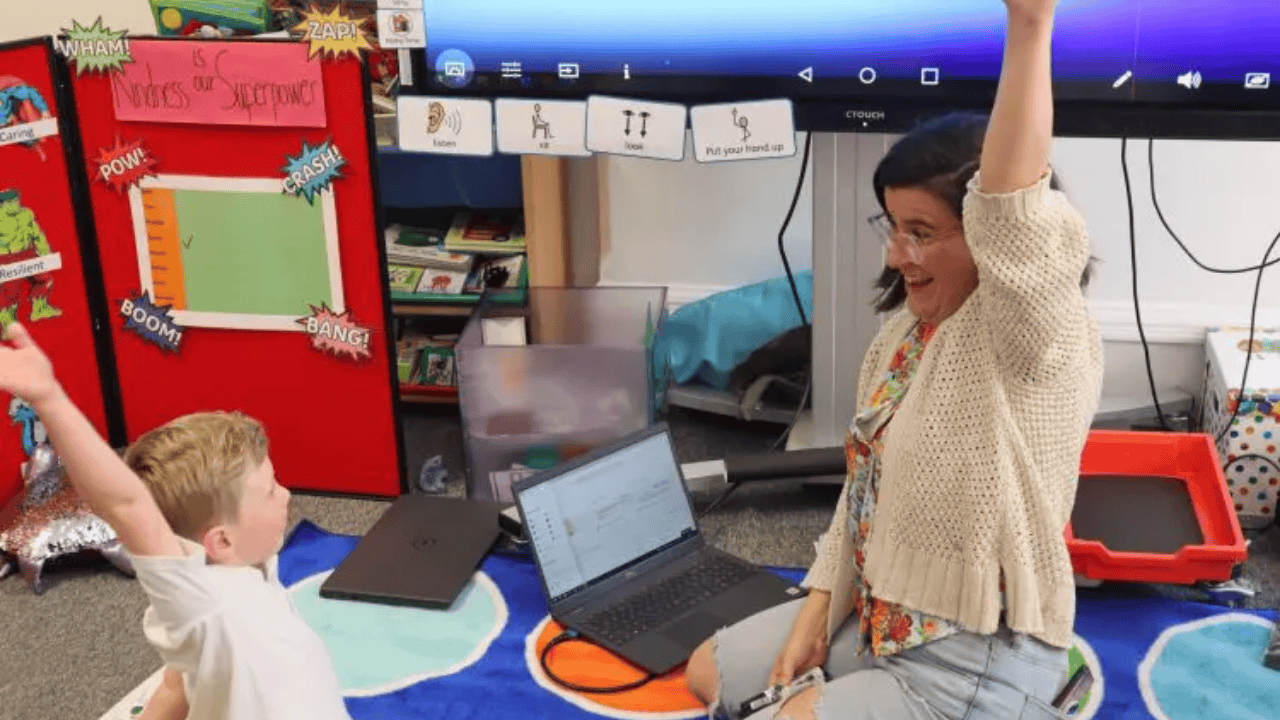
Professionals working with families of children awaiting neurodevelopmental assessments recognise the significant emotional and practical strain these waiting periods create. The Lunch & Learn session delivered by Rachael (Outreach Consultant) and Sarah (Head of Early Years) outlines a framework of five foundational strategies that practitioners can model, share, and embed when supporting families. These strategies emphasise early, low-pressure, relationship-centred intervention that does not depend on diagnostic confirmation. (Home - BeyondAutism)
1. Play: Joining the Child Where They Are
Play is positioned as a central developmental experience rather than an optional extra. Research highlights that play—defined as freely chosen, intrinsically motivated activity—provides a platform for communication, cognitive development, emotional regulation, and relational connection. For children whose play styles differ from neurotypical patterns, professionals are encouraged to guide families toward acceptance and celebration of these differences rather than correction.
Key professional implications include:
- Modelling child-led practice: Demonstrate how to follow the child’s interests, join in at their level, and participate without directing, demanding, or quizzing. This approach can improve engagement and reduce stress for both child and caregiver.
- Using narration over questioning: Advising caregivers to comment on what is happening rather than interrogate the child reduces pressure and increases language exposure.
- Supporting sensory-informed play: Professionals should help families identify sensory preferences/aversions and adapt the environment (lighting, noise, textures) accordingly.
- Leveraging motivating activities: Recommending universal motivators such as bubbles, balloons, or physical games where adults naturally play a facilitating role.
This approach aligns well with evidence-based early years practice emphasising atonement, responsive interaction, and environmental adaptation. It provides families with accessible tools that can be implemented immediately without specialist equipment.
2. Creating Predictability: Supporting Regulation Through Structure
Predictability is framed as a mechanism that supports a child’s sense of safety and reduces cognitive load, particularly for children with communication or sensory differences. The inability to anticipate what comes next can manifest as behaviours of concern, heightened stress responses, or avoidance. Professionals can support families by teaching and modelling low-effort predictability tools.
Recommended tools and strategies include:
- Visual cues: Photos, pictures, or objects that signal upcoming activities.
- “Now & Next” boards: Offering clarity around sequencing, particularly when transitioning from non-preferred to preferred activities.
- Simple, repeated routines: Consistent songs, phrases, or gestures that help the child recognise patterns. These routines build independence over time.
Benefits highlighted include improved communication comprehension, increased independence, smoother transitions, enhanced wellbeing, and greater opportunities for child choice.
Professionals should also prepare families for real-life variability: routine interruptions will happen. The emphasis is therefore on patterns, not perfection. When change occurs, parents are encouraged to remain calm, offer advance warning, use visual signals, and celebrate moments of flexibility. This reframes unpredictability as a developmental opportunity rather than a failure of routine.
3. Modelling and Expanding Communication
Many children communicate primarily through non-verbal channels—sounds, gestures, facial expressions, and body movements. For professionals, this underscores the importance of validating all communication attempts and supporting families to do the same.
Key professional recommendations:
- Match and slightly extend language: Encourage caregivers to model speech one step ahead of the child’s current level (e.g., from sounds → single words → two-word combinations → simple sentences).
- Introduce AAC early and without fear: Tools such as Makaton, PECS, communication boards, or tablet-based systems should be integrated alongside spoken language. The document highlights that AAC supports—not replaces—speech development.
- Use choice-making strategically: Offering choices provides natural motivation, opportunities to initiate communication, and clarity around preferences.
Professionals can help families reduce pressure around speech and instead focus on connection, clarity, and communication readiness. Gradual increase of expectations, reinforcement, and responsiveness are central to this approach.
4. Noticing and Celebrating Progress
One of the most impactful but frequently overlooked strategies is shifting family attention toward what is improving rather than what is delayed. Celebration reinforces both the child’s behaviour and the caregiver’s perception of growth.
Recommended professional guidance:
- Use specific verbal praise: Professionals can coach parents to use clear, descriptive feedback (e.g., “You waited so patiently,” “Great telling me what you wanted”).
- Offer visual recognition strategies: Sticker charts, photo walls, or simple token systems can be used if motivating for the child.
- Encourage shared celebrations: Adults reflecting achievements aloud—within earshot of the child—strengthens reinforcement.
- Highlight micro-progress: Small changes such as an additional word, a smoother transition, or fewer dysregulated moments are meaningful indicators of developing skills.
Professionals should also remind caregivers to celebrate their own efforts. Recognising caregiver success supports resilience, reduces self-criticism, and strengthens family capacity—critical during long assessment waiting periods.
5. Finding Support Available Now
Recognising that supporting the child begins with supporting the caregiver. Professionals are encouraged to help families identify “their village”—whether informal support networks or local services.
Recommendations include:
- Accessing local authority “local offer” information.
- Engaging with SEN playgroups, mental health support services, or community organisations.
- Connecting with online communities such as Facebook groups or neighbourhood platforms.
- Considering services like the BeyondAutism Early Years programme when appropriate.
Families are not alone in navigating challenges ranging from sleep issues to public dysregulation, EHCP processes, or school placement decisions. Professionally guided signposting can dramatically reduce caregiver isolation. (See Resource Hub - BeyondAutism)
Conclusion
The five strategies—connection through play, predictable routines, responsive communication, celebrating progress, and accessing support—provide families with a practical, compassionate framework for supporting their child now, not only once assessment pathways are complete. These approaches help strengthen relationships, reduce stress, and build foundational skills that benefit long-term development. Professionals in Early Years, education, and health settings can use this framework to empower families, foster resilience, and promote early, meaningful change during a period that often feels uncertain and overwhelming.
