
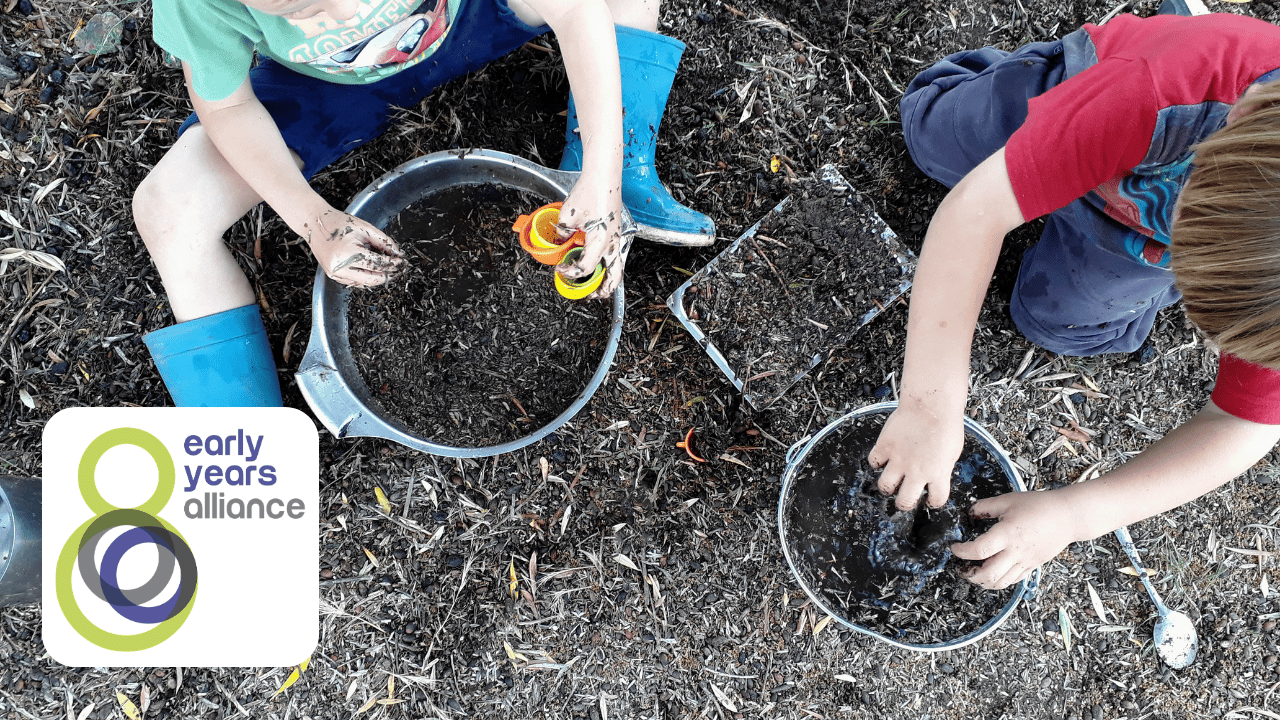
As early educators, we know that play has always been the primary way that children learn and develop. Adults today will remember how they played outdoors with friends, and perhaps even how the play landscape shifted as computers and other technology became more common, and moved play indoors.
Today, opportunities for outdoor learning can look quite different to what they did twenty years ago. This means that early educators have an even greater responsibility to champion outdoor learning and recognise the profound impact that nature-rich experiences have on children’s health, wellbeing and development.
You probably know already that providing these opportunities is important, but do you know what happens to children when they get to play outdoors?
Health and Physical Development
Outdoor environments naturally invite movement. Unlike indoor spaces, which can restrict physical activity, the outdoors offers endless opportunities for climbing, balancing, running, and jumping. These gross motor activities strengthen muscles, improve coordination, and support cardiovascular health. Fine motor skills also flourish outdoors when children explore small details by for example picking up pebbles or using sticks to draw in the mud.
Exposure to natural light also offers critical health benefits. Sunlight helps regulate circadian rhythms and supports the body’s production of vitamin D, essential for bone health and immune function. Outdoor play also reduces sedentary behaviour, counteracting the growing concerns around childhood obesity.
There are types of bacteria that are naturally found in soil which activate the neurons that produce serotonin, a key chemical in many bodily functions, as well as a natural anti-depressant. Mud also contains many properties that are good for us. Being outdoors lowers the risk of cross infection and a strong immune system lowers the risk of coughs and colds.
The World Health Organisation suggests young children aged 1-4 years spend three hours per day being physically active.
Cognitive Development
Outdoors, children can practice real-world problems like how to share resources or how to navigate uneven terrain. These experiences foster problem-solving, creativity, and resilience. Outdoor learning often involves open-ended play, which encourages children to think critically and independently.
Natural environments also stimulate sensory exploration. When you’re out with the children, encourage them to notice things like the crunch of leaves or the smell of rain. The rich sensory input that comes naturally with being outdoors supports brain development.
Research shows that children who spend time outdoors often demonstrate improved attention spans and greater engagement in learning tasks.
Emotional Wellbeing
Outdoor learning is not only about physical and cognitive development; it also influences emotional wellbeing. Nature has a calming effect, reducing stress and anxiety. For young children, who are still learning to regulate emotions, outdoor spaces provide a safe outlet for energy and feelings. For example, a frustrated child can release tension through running around or stomping through puddles.
Outdoor play also nurtures confidence. When children climb a tree or balance on a log, they test their limits in manageable ways. Success in these challenges builds self-esteem and failure builds resilience. Importantly, outdoor learning often involves risk-taking. Learning to assess and manage risks is a vital life skill, and the outdoors provides a safe, supervised environment to practice it.
Social Development
Outdoor spaces encourage collaboration. Whether building a sandcastle, creating a pretend shop with sticks, or playing chase, children learn to negotiate, cooperate, and resolve conflicts. These social interactions occur naturally outdoors, where space and resources are shared more freely than in structured indoor settings.
Outdoor learning also fosters inclusivity. Children who may struggle in traditional environments often thrive outdoors, where learning is more experiential.
Connection to Nature
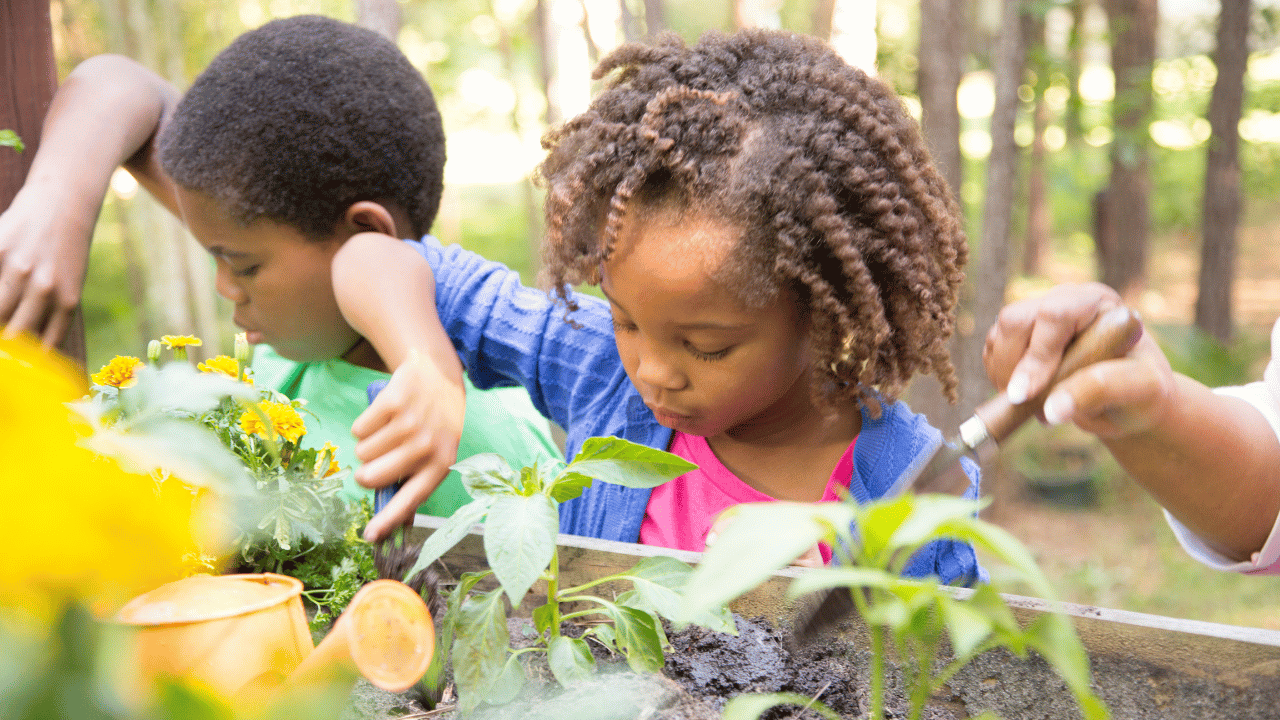
Early exposure to nature builds a lifelong appreciation for the environment. When children plant seeds, watch them grow, or observe insects at work, they develop respect for living things. These experiences lay the foundation for environmental stewardship, instilling values of care and responsibility that extend beyond childhood.
In a time of increasing concern about climate change and sustainability, outdoor learning is not just beneficial—it is essential. By nurturing children’s connection to the natural world, educators help cultivate future citizens who value and protect the planet.
The Role of Educators
As you can see, there’s no end to benefits of outdoor play and learning. As an educator, it is your responsibility to make sure that children have opportunities to play and learn outdoors every day, by thinking critically about your curriculum:
- Are you prioritising outdoor time? Make sure you’re not treating outdoor learning as an ‘optional extra’, but a crucial starting point.
- What does your outdoor environment look like? Working within the constraints of your physical environment, make sure that your outdoor area has different spaces for different play. Can you offer spaces for quiet reflection, energetic play, and imaginative exploration?
- Do you encourage risk-taking? Safe opportunities for risk taking helps children test boundaries and learn resilience.
- How are you engaging families? Take the time to share the benefits of outdoor learning with parents and carers to build support and continuity at home.
If you’d like more help to support outdoor learning, the Early Years Alliance offers a bespoke in-house outdoor learning package where courses are designed for the whole early years sector, whether you have a small or large outdoor space.
Choose from a selection of courses, each ranging from 1-2 hours, to put together a bespoke package to exclusively meet your individual training requirements. Packages are available from half day to full day options.
