
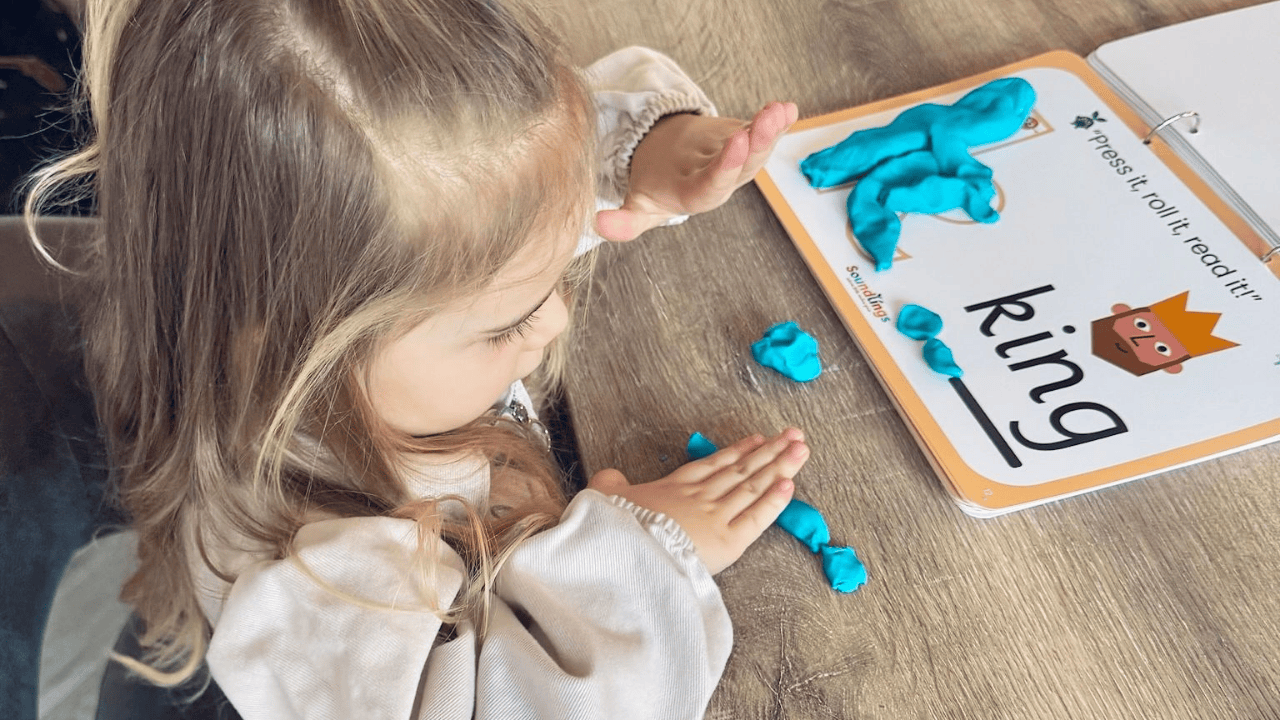
In early years settings and Key Stage 1, we know that children learn best when they are actively engaged, emotionally connected and having fun. Phonics, while systematic and structured, should never feel dry or disconnected from the joy of early learning. Soundlings was created with this belief at the core, that Phonics can, and should, be playful, hands-on and meaningful. Designed and created by fully-qualified, experienced teachers, Soundlings develops unique Phonics resources for children aged 3–7. Making early reading accessible for families whilst staying true to classroom practice.
With the strapline “Where little readers grow”, Soundlings reflects a nurturing, child-centred approach to literacy. It recognises that confident readers don’t simply emerge from worksheets, they grow through playful exploration, repetition, imagination and encouragement.
The Power of Play in Early Phonics
For early years and childcare professionals, the importance of learning through play is well established. The Early Years Foundation Stage framework emphasises active learning, engagement and creativity. Children develop language, memory, problem-solving skills and social understanding most effectively when learning is embedded in purposeful play. Phonics teaching is systematic, but it does not need to be rigid. Young children learn sounds more effectively when they can: manipulate objects, move their bodies, engage in imaginative scenarios, interact socially, laugh, explore and experiment.
When Phonics is playful, children are more likely to retain new sounds, apply blending skills confidently and develop a positive relationship with reading. Soundlings resources are built around this principle. Rather than focusing solely on paper-based activities, they encourage hands-on exploration, discussion and interaction. This playful element not only strengthens engagement but also reduces the pressure some children (and parents) can feel around early reading.
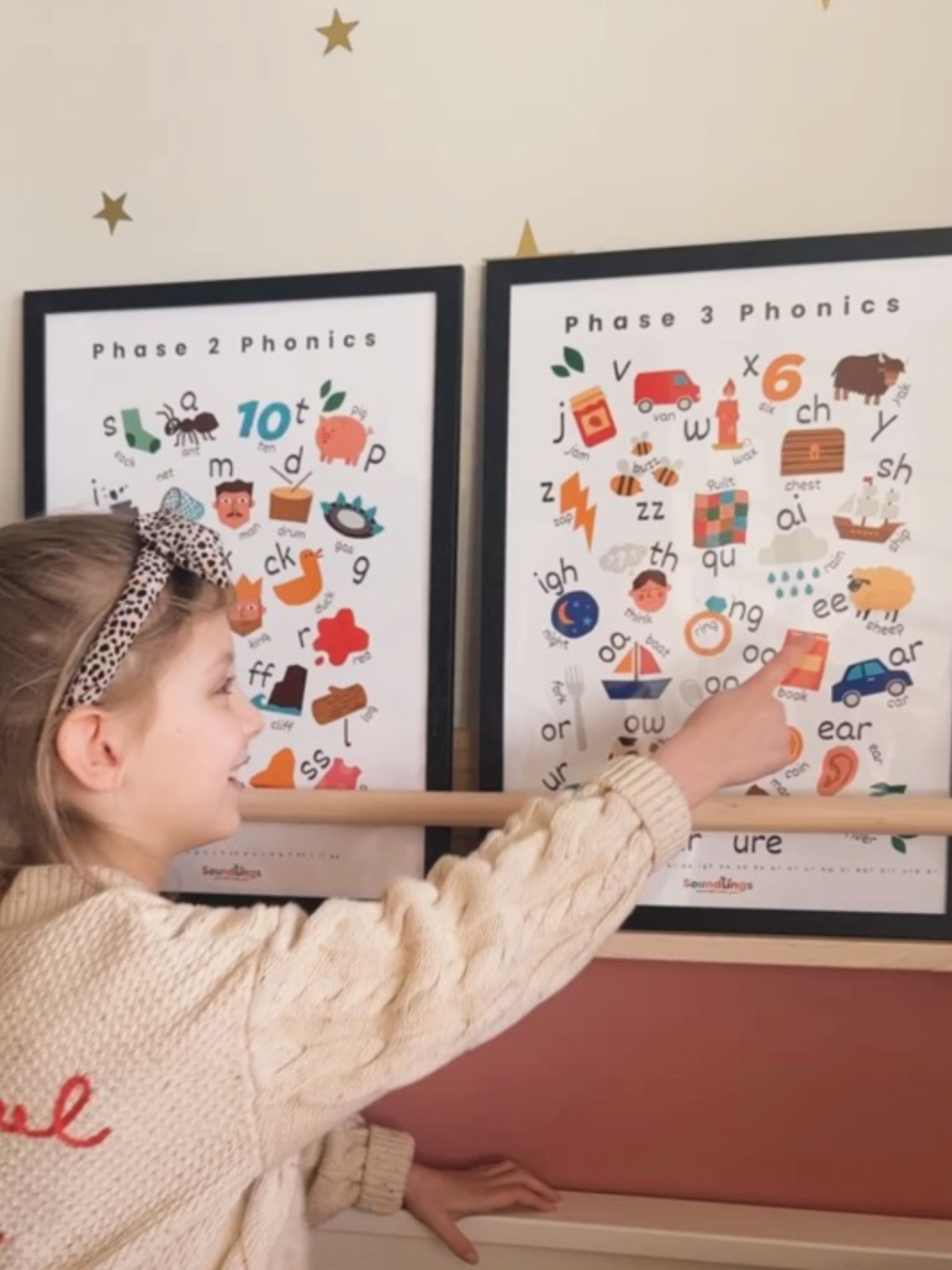
Designed by Teachers Who Understand the Classroom
Soundlings was developed by fully-qualified, experienced teachers who understand both the structure of Phonics programmes and the realities of early years settings. This classroom experience ensures that the resources:
- Complement all Phonics schemes used in schools
- Follow clear, logical progression
- Reinforce blending and segmenting skills
- Use accurate Phonics terminology
- Support correct pronunciation of pure sounds
As the creators have worked directly with children aged 3–7, the materials reflect what genuinely captures young learners’ attention. They are developmentally appropriate, visually engaging, and designed with real classroom dynamics in mind.
For childcare professionals, this alignment is particularly important. Resources that complement existing Phonics schemes reduce confusion and workload, ensuring consistency between home and school learning.
Playful Characters That Guide Learning
One of the distinctive features of Soundlings is the development of carefully designed characters that guide children through the resources. Each character has a different role, bringing personality, purpose and playful structure to every product. These characters are not simply decorative additions; they act as learning companions.
In early childhood education, we understand the power of narrative and character-led engagement. Children form emotional connections with familiar figures. When a character “invites” them to practise blending or “asks” for help identifying a sound, the task feels less like instruction and more like a shared adventure.
This approach supports children who may be hesitant about reading practice. A playful character can reduce anxiety, foster confidence and increase willingness to try. For practitioners, character-led learning also provides opportunities for role-play, storytelling and language extension. Resources can easily be woven into continuous provision, small-group work or targeted intervention sessions.
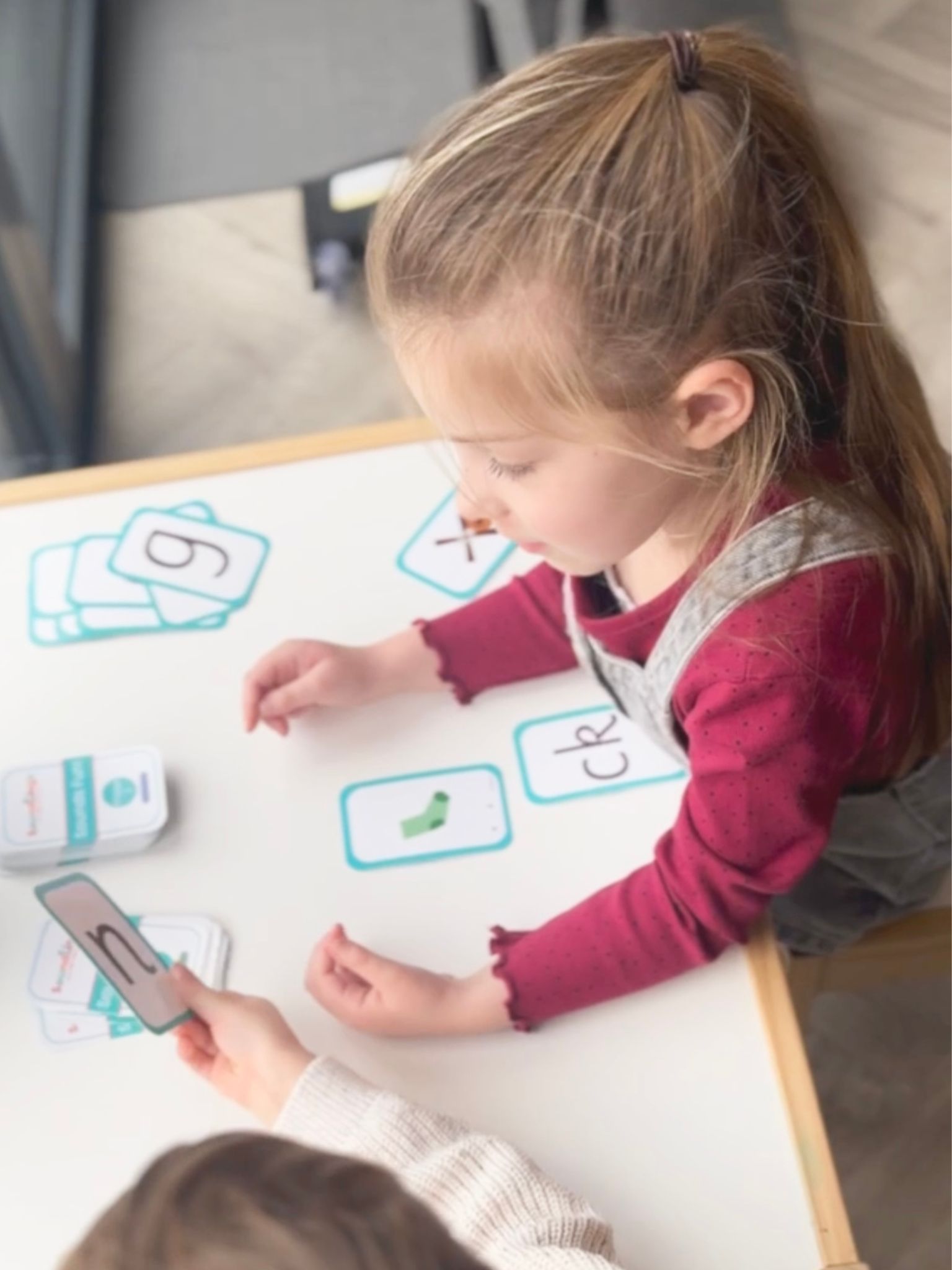
Hands-On, Interactive Learning for 3-7 Year Olds
Children aged 3–7 are still developing fine motor control, attention span and working memory. Expecting them to sit passively and absorb Phonics instruction is neither realistic nor developmentally appropriate. Soundlings embrace hands-on learning. By encouraging children to touch, move, build, sort and manipulate, the resources align with how young children naturally explore the world.
For Nursery and Reception practitioners, this playful, physical approach fits seamlessly into provision areas. In Key Stage 1, it can enhance whole-class teaching or small-group intervention by adding variety and re-engaging learners who may need additional support.
Supporting Parents with Confidence
While practitioners are trained in Phonics pedagogy, many parents feel uncertain about how to support early reading at home. Terminology such as grapheme, phoneme, blending and segmenting can feel unfamiliar. Differences between letter names and sounds often cause confusion. Soundlings was created not only for children but also for parents. The resources are designed to make Phonics accessible and unintimidating. Clear guidance, consistent terminology and engaging presentation help families feel confident reinforcing learning at home.
By combining teacher expertise with playful design, Soundlings supports: stronger home–school partnerships, consistent Phonics language, positive reading routines and a shared enjoyment of learning.
When parents feel capable and children feel motivated, Phonics practice becomes a collaborative experience rather than a source of tension.
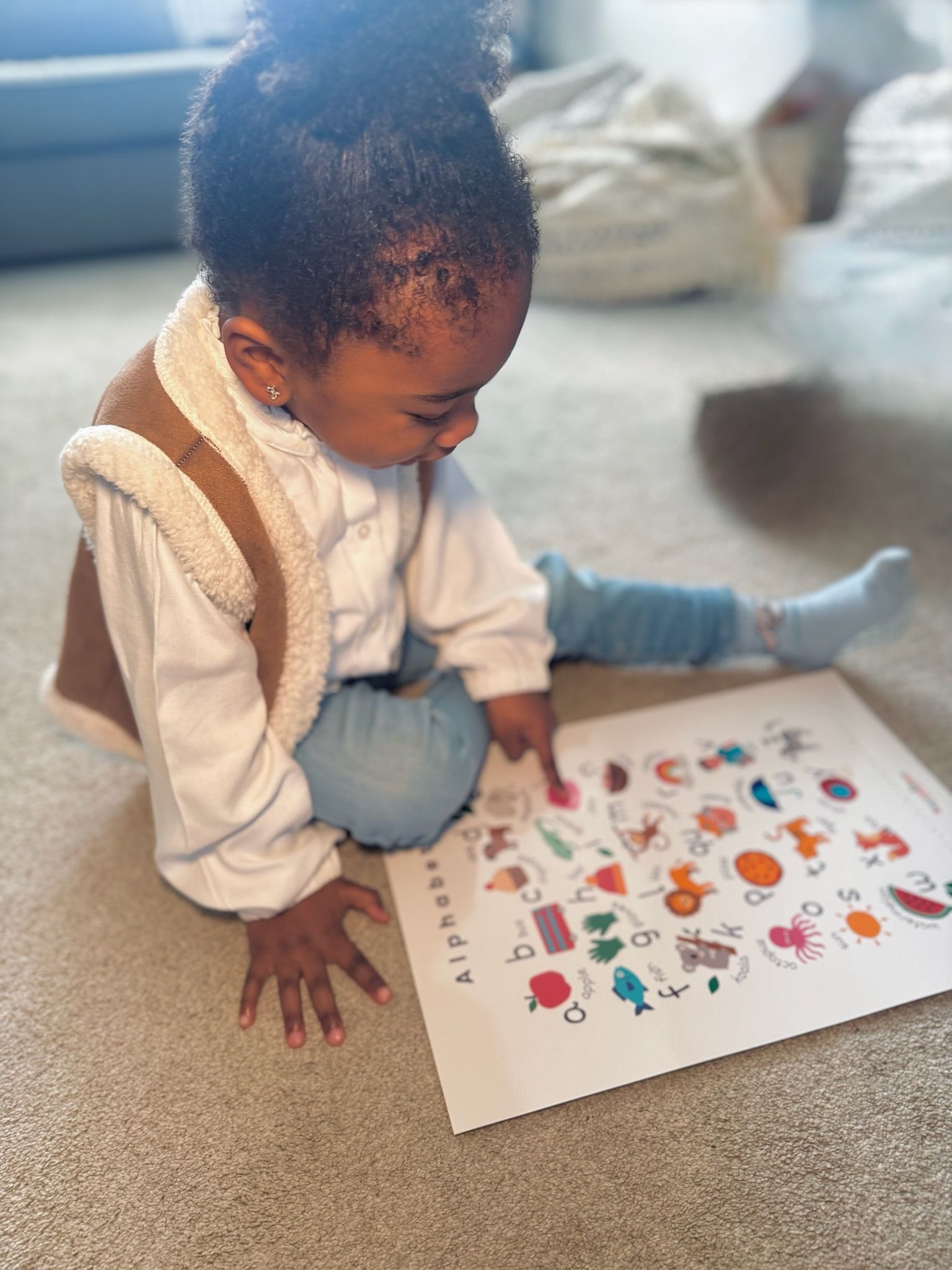
Complementing, Not Replacing, School Schemes
One of the challenges in early literacy support is ensuring that additional resources align with the systematic Phonics programmes used in schools.
Soundlings materials are designed to complement all Phonics schemes rather than replicate or conflict with them. This flexibility allows practitioners to integrate the resources confidently, knowing they will reinforce, not contradict existing teaching.
For early years and childcare settings, this adaptability is key. Whether used in small-group work, interventions or shared with families for home learning, the resources maintain consistency in sound progression and Phonics principles.
Nurturing a Love of Reading
Phonics is a foundational skill, but reading is far more than decoding. It is about curiosity, imagination, communication and confidence.
When Phonics is introduced in a playful, character-led, hands-on way, children begin to associate reading with enjoyment rather than pressure. That positive emotional connection is vital during the early stages of literacy development. By blending educational rigour with playful design, Soundlings helps children not only learn to read but begin to see themselves as readers.
A Shared Commitment to Playful Early Literacy
For professionals attending the Childcare & Education Expo, Soundlings represents a thoughtful response to a familiar challenge: how to maintain the integrity of systematic Phonics while preserving the joy and playfulness of early childhood.
Soundlings champion the idea that when Phonics is playful, children thrive. Because when learning is fun, confidence grows, and at Soundlings, that is exactly the aim — where little readers grow.
Website: www.soundlings.co.uk
Instagram: @soundlingsuk
