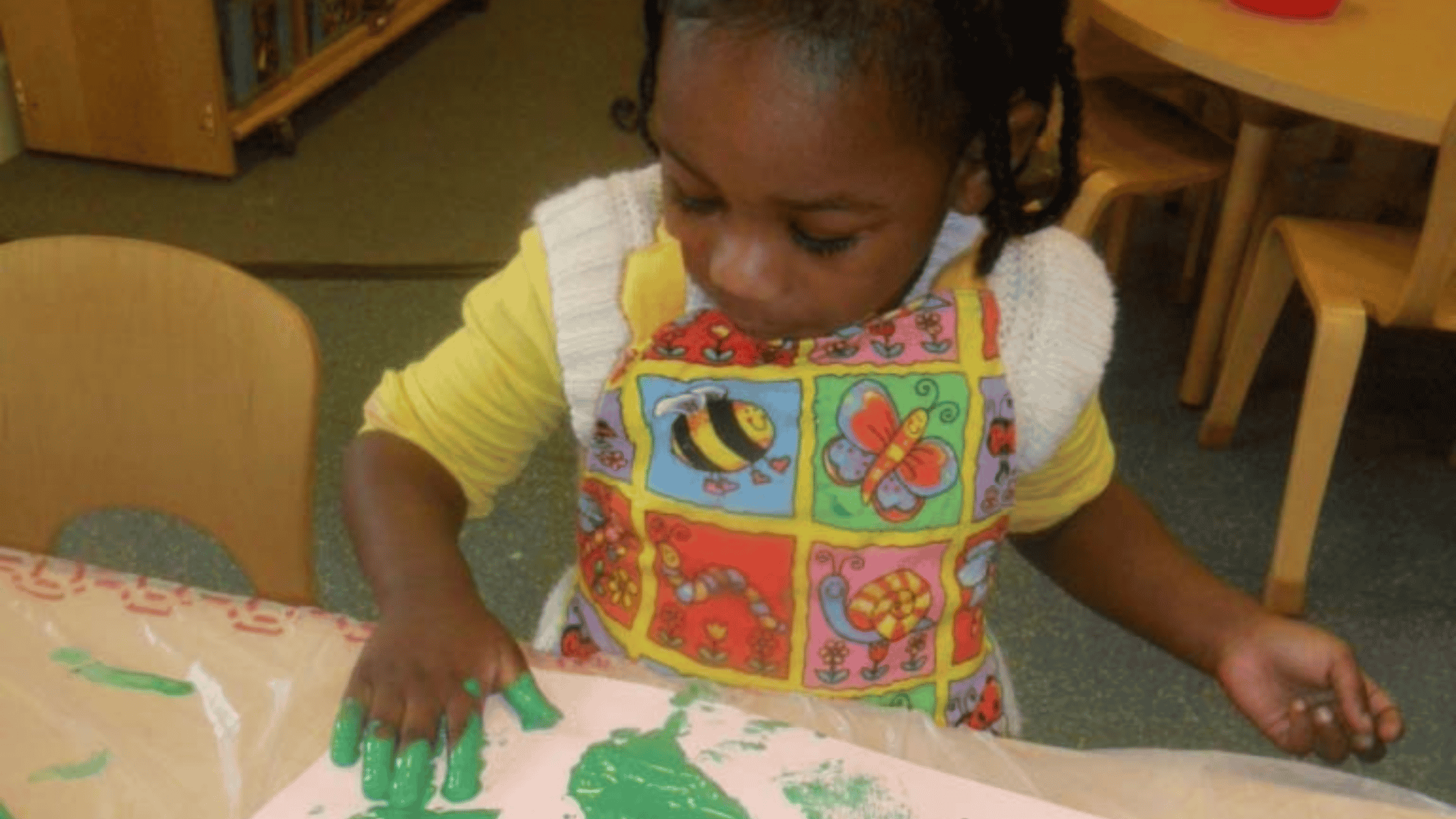
Why do we provide children with opportunities to explore and play with malleable substances? When children handle materials like clay, dough, putty, and glup, they engage with varying textures, weights, and smells. This exploration allows them to investigate how these substances behave and enjoying the sensory experience as they poke, squeeze, roll, and shape.
As early years educators, we recognise that play is a vital part of childhood development. Piaget’s theory of cognitive development emphasises that play enables children to explore, experiment, and understand their world. Particularly in the preoperational stage (ages 2 to 7), children develop symbolic thinking and language through imaginative play. Manipulating malleable substances enhances their problem-solving skills and creativity.
Vygotsky’s concept of the zone of proximal development informs us about the importance of peer interactions during play. These interactions help children learn new skills within their developmental range. Engaging in group play with materials like Play dough fosters collaboration and communication among peers.
Moreover, creative play allows children to express their emotions. One of the most significant benefits of working with malleable substances is the development of fine motor skills and hand strength, essential for tasks such as handwriting.
Working with clay can be a challenging material that requires effort and focus it helps strengthens the muscles in their fingers, arms, backs, and shoulders. This hands-on engagement provides a satisfying outlet for physical energy, particularly for children who may struggle with communication and experience built-up frustrations. A large lump of clay can serve as a therapeutic tool, absorbing emotional energy and fostering creativity.
The discipline of natural materials
Children find it soothing and reassuring to work with materials that can be endlessly broken down and recreated without fear of destruction. Play dough, being softer and easier to manipulate, is especially suitable for young children whose hands may not yet have the strength to handle tougher substances like clay. Its appeal extends to all age groups, including adults, who often find comfort in its tactile qualities.
How often do we see educators seated at the dough table?
While concerns about mess are common, using plastic tables or tough trays can help contain the materials. If those aren’t available, most surfaces can withstand the playful explorations of clay and dough, even if cleaning up takes a bit longer. When given the right safe materials and ample time, children will enjoy the process of mopping, scrubbing, and squishing away remnants as a natural conclusion to their play. Attitudes toward mess often stem from emotional responses rather than practical concerns. Some aspects of life are inherently messy, and both children and adults need opportunities to engage with this reality.
Unfortunately, modern living conditions can restrict children’s contact with the natural world, making malleable play in early years settings one of the few chances for children to experience messiness.
While some children dive into the experience with enthusiasm, others may feel apprehensive. It’s essential to respect the fears of those who are hesitant to get dirty, while always providing them with the opportunity to join in at their own pace.
For children who find the thought of getting messy unappealing, introducing a small, dry piece of clay away from the main activity can serve as a gentle entry point. This approach can be far more inviting than a large, cold, wet heap surrounded by eager peers.
Each Child is Unique
Every child is unique, and while some may thrive with basic materials and tools, others might feel they’ve exhausted their possibilities and seek more stimulation. This is where educators' skills and imagination become essential in extending children's learning beyond their expectations. Some children benefit from hands-on experiences throughout their time in the provision, while others may need to revisit foundational activities as they progress in their development.
Introducing additional tools and accessories must be done thoughtfully. For instance, once a rolling pin is introduced, the material may be perceived primarily as something to be flattened. If this tool is added too soon, it can inadvertently limit a child's play rather than enhance it. Consider keeping extra tools in a box next to the dough table, allowing children to select the tools they need for their creations at their own pace.
As children master rolling, they may be ready to incorporate malleable materials into pretend cooking activities. At the appropriate time, introducing small frying pans, cake tins, and other cooking accessories that can enrich their experience. Useful tools include rounded scissors, child-safe scissors, rolling pins, wooden mallets, shape cutters, sticks, leaves, shells, lollipop sticks, and feathers etc.
The Role of the Adult
Research shows that the presence of an adult is crucial for children's engagement. Adults should not impose their creations on the children, as this can lead to feelings of defeat. Instead, adults should model the joy of getting messy and playing with malleable materials. Creating a relaxed, friendly atmosphere allows children to engage in lively conversations as they play, fostering their ability to practice turn-taking and listening skills.
Sometimes, silence can be just as meaningful; a piece of dough to squeeze can provide a comforting experience. A friendly adult can create a shared experience that helps build a bridge of confidence and pleasure for children who may feel shy or reluctant to join in.
Don’t forget to take malleable substances outside, where they can inspire a different kind of learning experience. To a child, it’s never just a piece of dough; it’s an invitation to explore, create, and learn.
The important message that remains the same throughout, is that play really is at the heart of all children’s learning and that messy play has a unique value that must not become lost in translation.
Largely reproduced from original books, leaflets and guidance spanning fifty years, Small messy play hands aims to support educators in providing play opportunities which enable children to self-express; be creative; rehearse and practice skills; take risks, to challenge themselves and to set their own boundaries; to use their imagination, to problem solve and to set new problems to be solved. Despite the need to bring original ideas up to date, every effort has been made to hold true to the original texts so that the voice of past experience can clearly be heard by the reader.