
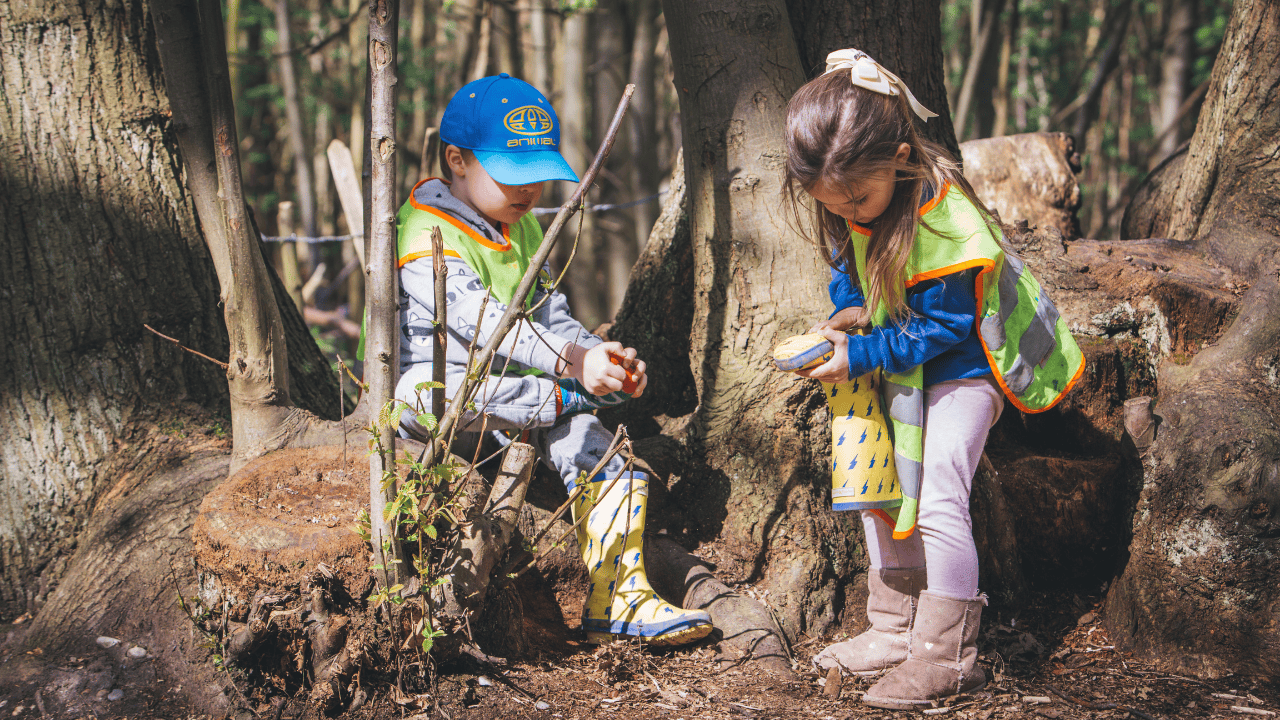
Step into a classroom filled with harsh strip lighting, bright plastics and crowded walls, and you can almost feel the noise before a word is spoken. Now imagine walking into a space washed in soft light, warm wooden textures, neutral tones and carefully placed resources displayed with intention. The difference is immediate not just visually, but emotionally.
Creating the right classroom environment is no longer just about design trends. It is about wellbeing, it is about development and increasingly, it is about recognising that the space itself plays a critical role in how children feel, think and react in the learning environment.
The Nervous System Knows First
As we know, children experience the world through their senses long before they process it cognitively. A classroom saturated in colour, plastic and visual clutter can overstimulate the developing brain, trigger stress responses and reducing focus. Many behaviours labelled as “challenging” are often signs of dysregulation caused by environment.
A natural, inviting classroom works with children’s biology rather than against it. Earthy tones, wooden furniture, woven baskets, plants and soft furnishings create a calm sensory landscape, gentle lighting replaces glare, sound is softened by fabric and texture. The result, lower stress levels, improved concentration and a noticeable shift in mood for both the children and staff.
In these spaces, children settle more quickly, they engage for longer, they breathe more slowly and that calm foundation is where real learning begins.
Creating this type of learning space sees a change in conversations, children go off to play, parents are calmer and comment on ‘the homely feel’ and feel confident their children will be happy there.
Beauty Inspires Care and Staff
There is something powerful about walking into a room that feels beautiful.
When resources are presented thoughtfully on open shelving, in baskets or trays rather than crowded plastic tubs, children and staff respond differently. They handle materials with greater respect. They return items to their place. They take pride in their surroundings.
This sense of belonging is central to emotional wellbeing. Children who feel ownership of their environment develop confidence and independence. They make choices. They initiate play and engage for longer.
Focus Without the Noise
In many classrooms, walls compete for attention. Bright displays, laminated posters and competing colour schemes create visual noise that can overwhelm even the most confident child. While celebration of work is important, an overcrowded space can reduce cognitive clarity, reviewing the ‘why and for who’ is important, why is it up on the wall and for who, high boards mean nothing to children and become part of the background.
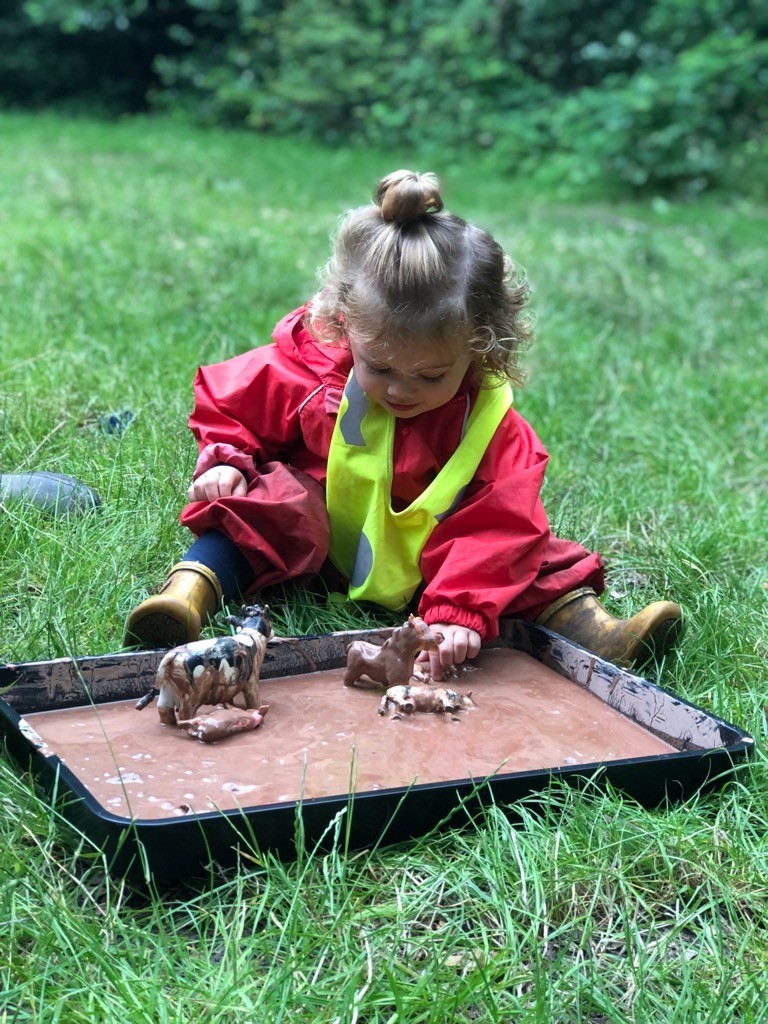
A natural classroom strips back the unnecessary. Neutral backdrops and low height displays allow children’s creations to stand out rather than form part of the background. Thoughtfully displayed open ended resources such as pinecones, loose parts, wooden blocks or shells invite imagination without dictating an outcome.
A wooden block can be a tower, a bridge, a phone or a dragon’s cave. These resources develop executive functioning skills such as problem-solving, flexibility and perseverance. They encourage deep thinking rather than passive consumption.
In calmer environments, children can concentrate for longer periods, building resilience and a genuine love of learning.
Social Connection Thrives in Calm Spaces
Wellbeing is not just individual, it is relational. The physical environment shapes how children interact with one another.
Small group areas, cosy reading corners and shared floor spaces promote collaboration and meaningful conversation without sensory overload, children are better able to regulate emotions and navigate social challenges. Conflict often decreases when overstimulation decreases.
Natural classrooms also support inclusive practice, engaging layouts, ‘through zoning’ which means the days of segregated separate areas have gone, create living spaces that bring in all areas of learning with consistent colour palettes reduce anxiety, particularly for children with additional sensory or emotional needs. Adaptations can be integrated seamlessly, ensuring every child feels part of the community.
When children feel safe and regulated, empathy and community flourishes, they listen more and connect to the environment.
A Subtle Lesson in Sustainability
Beyond immediate developmental benefits, natural classrooms send a wider message. They model respect for the environment and encourage sustainable thinking from an early age.
Wooden resources, recycled materials and living plants teach children about care. They begin to understand that quality matters. That nature is not separate from learning it is part of it.
In a world increasingly dominated by screens and synthetic materials, bringing the outdoors in offers balance, it reconnects children to something timeless and grounding.
Supporting the Adults Too
It is easy to focus solely on children, but staff spend long hours in these spaces and we want to ensure they are the best teachers they can be. A calm, natural classroom supports staff wellbeing as well. Reduced sensory stress and a visually cohesive environment create a more positive working atmosphere. Adults who feel regulated are more patient, responsive, creative and are proud; they enjoy their roles more and this helps in reducing staff burn-out.
Designing Spaces That Nurture Growth
Natural classrooms are not about achieving a perfect aesthetic or following the latest trend. They are about recognising that the environments we create shape how children feel, behave and learn every day. When spaces are thoughtfully designed with natural materials, calm colour palettes and purposeful resources, they support regulation, curiosity and connection in ways that busy, overstimulating classrooms simply cannot. As more settings begin to rethink the role of the environment in children’s wellbeing, the focus is shifting from filling rooms with equipment to carefully curating spaces that truly support development — something that thoughtful design partners, such as MOE, are increasingly helping early years settings to achieve.
